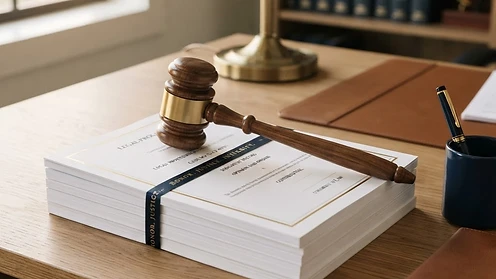
Facing a Debt Lawsuit: Don't Panic, Take Action
Receiving a summons for an unpaid debt can be an intimidating experience. Many consumers assume that once they are sued by a debt collector, they have already lost. However, the legal system provides specific protections that allow you to defend yourself against unsubstantiated, inaccurate, or expired claims. Understanding these rights is your first line of defense.
Step 1: Verify the Debt
Before responding to any lawsuit, you must ensure that the debt is actually yours and that the amount is accurate. Under the Fair Debt Collection Practices Act (FDCPA), you have the right to request validation of a debt.
The Importance of Proof
When a debt buyer purchases a portfolio of "bad" debt, they often lack the original contract or detailed payment history. In court, the burden of proof lies with the plaintiff. If they cannot produce a "chain of title" or an original agreement signed by you, their case may be fundamentally flawed.
Step 2: File a Timely Response
Ignoring a lawsuit is the most dangerous mistake a consumer can make. Failing to respond by the court-ordered deadline usually results in a "default judgment," meaning the creditor automatically wins.
- Review the Summons: Note the deadline for filing your formal answer.
- Check Jurisdiction: Ensure the court has legal authority over you (typically based on where you live or signed the contract).
- Draft Your Answer: Use your response to deny the allegations that the collector cannot prove. Require them to provide evidence at every stage of the process.
Step 3: Identify Affirmative Defenses
Beyond simply denying the debt, you may have legal "affirmative defenses" that can stop a lawsuit in its tracks:
- Statute of Limitations (SOL): Every state has a time limit for suing on a debt. If the debt is "time-barred"—meaning it is older than the statute allows—you can move to have the case dismissed.
- Lack of Standing: Often, the company suing you is not the original creditor and lacks the legal documentation to prove they own your debt.
- Violations of the FDCPA: If the debt collector used illegal tactics to contact you or misrepresented the debt, you may have grounds for a counterclaim.
Step 4: The Discovery Process
Once the case is active, you have the right to "discovery." This is a formal legal process where you demand that the collector provide copies of the original contract, account statements, and proof of purchase. Many debt buyers struggle to produce this documentation. If they cannot prove they own the debt, they often choose to drop the case rather than face a trial.
Understanding Federal Protections
Your defense is supported by several federal statutes designed to prevent unfair practices:
- FDCPA (Fair Debt Collection Practices Act): Regulates how collectors communicate and what they can legally claim.
- FCRA (Fair Credit Reporting Act): Ensures the information reported to the credit bureaus is accurate. If a debt collector reports false information during a lawsuit, you may have an FCRA claim.
Seeking Professional Guidance
While defending yourself is possible, it requires organization and adherence to strict court rules. Keep detailed records of all interactions, including dates, names of agents, and copies of every document filed.
Disclaimer
This content is for educational purposes only and does not constitute legal advice. Laws regarding debt collection, statutes of limitations, and court procedures vary by state and individual circumstances. You should consult with a qualified legal professional or local legal aid organization to discuss the specifics of your case before taking action in court.