
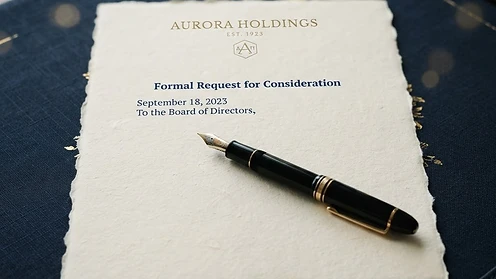
Understanding the Goodwill Letter
Your credit score is often the gatekeeper to your financial future, influencing your ability to secure mortgages, auto loans, and even employment. A single missed payment can stick to your credit report for up to seven years, dragging down your score even if you are otherwise a responsible borrower. This is where a goodwill letter becomes an essential tool in your financial arsenal.
What is a Goodwill Letter?
A goodwill letter is a formal request sent to a creditor asking them to remove a negative entry—usually a one-time late payment—from your credit history. Unlike a dispute letter filed under the Fair Credit Reporting Act (FCRA), which challenges inaccurate information, a goodwill letter acknowledges that the late payment actually occurred. You are essentially asking the creditor to overlook an honest mistake based on your history of reliability.
When Should You Use a Goodwill Letter?
Goodwill letters are most effective when your account is in good standing now, but a previous lapse resulted in a reported late payment. Consider sending one if:
- You have a long history of on-time payments with the creditor.
- The late payment was truly an anomaly caused by an external, temporary crisis (e.g., medical emergency, bank error, or natural disaster).
- You have since set up autopay to ensure future payments are never missed.
How to Craft an Effective Request
Writing a goodwill letter requires a balance of humility and professionalism. Creditors are not legally obligated to remove accurate information, so you are relying entirely on their discretion and customer service policies.
Key Components of Your Letter
- Personalized Greeting: Avoid generic headers. Try to find the name of a specific department head or a customer advocacy office.
- State the Facts: Clearly identify the account and the specific date of the late payment.
- Explain the Circumstance: Briefly explain why the payment was late. Keep it professional—do not provide TMI (too much information) or get overly emotional.
- Highlight Your Loyalty: Mention your history as a long-term customer and your commitment to the lender.
- The Ask: Clearly request that they report the account as "paid as agreed" for that specific month.
The Legal Context: FCRA vs. Goodwill
It is important to distinguish this process from your rights under the Fair Credit Reporting Act (FCRA). The FCRA provides a legal framework for disputing inaccurate or unverifiable information. If a creditor reports a late payment that is factually incorrect, you should use the formal dispute process. However, if the information is accurate, the FCRA does not mandate its removal. The goodwill letter is a voluntary request, not a legal demand based on statutory error.
Best Practices for Success
- Be Persistent: If your first letter is denied, wait a few months and try again with a different representative or department.
- Keep Records: Maintain copies of all correspondence, including the date you sent the letter and any responses you receive.
- Combine with Automation: Before sending, ensure your account is enrolled in autopay. It shows the creditor that you have taken proactive steps to prevent future errors.
Moving Forward
While a goodwill letter is not a guaranteed fix, it is a low-risk, high-reward strategy that could significantly improve your credit profile. By taking accountability and demonstrating long-term reliability, you show creditors that you are a borrower worth retaining.
Disclaimer: This content is for educational purposes only and does not constitute legal advice. While Legatopia AI provides tools for self-help, we recommend consulting with a qualified attorney or financial advisor regarding your specific situation and federal consumer protection rights.